Integration by Design
Integration by Design (IBD) is a continuously adaptive strategy for integrating non-mainstreamed families and communities into the robust social, civic, and economic life of our region’s mainstream. In short: ID is a prophylaxis against institutionalized social and economic segregation. The sometimes intentional, sometimes unintentional, segregation that in either case has cut deep institutional ruts determining how we govern ourselves and regulate our unevenly shared Northwest corner of this grand continent. We call these ruts, integration by default.
By non-mainstream communities we mean, a substantial number of our region’s ethnic minorities; transnational migrants; elders; households living with physical, perceptual, cognitive, emotional, and addiction related, disabilities. Among many other populations. In short: A lot of us.
When properly funded and supported by public policy, IDB has demonstrated inspiring successes in civically engaging what some stubborn bureaucracies have labeled as “hard to reach populations.”
Among these engagement success, we count local schools; neighborhood recreation and art centers; city neighborhood, environmental, and emergency services, bureaus; city and county policing agencies; city, regional, and state transportation agencies; county juvenile justice systems; federal investigation, prosecution, and immigration authorities.
As much as integrating every community wanting to contribute to participatory democracy counts towards all of us better sharing the benefit and burdens of our abundant region — IBD is also a critique of the costs carried by our region’s taxpayers for the startling costs of keeping some of our institutions running in their ruts.
These ineffective systems impose corrosive social and spiritual outcomes on our most vulnerable households. NWCommunity Counsel partnerships offer efficient and self-sustaining exit ramps. And, as many on-ramps as we can together imagine to the joys of local democracy.
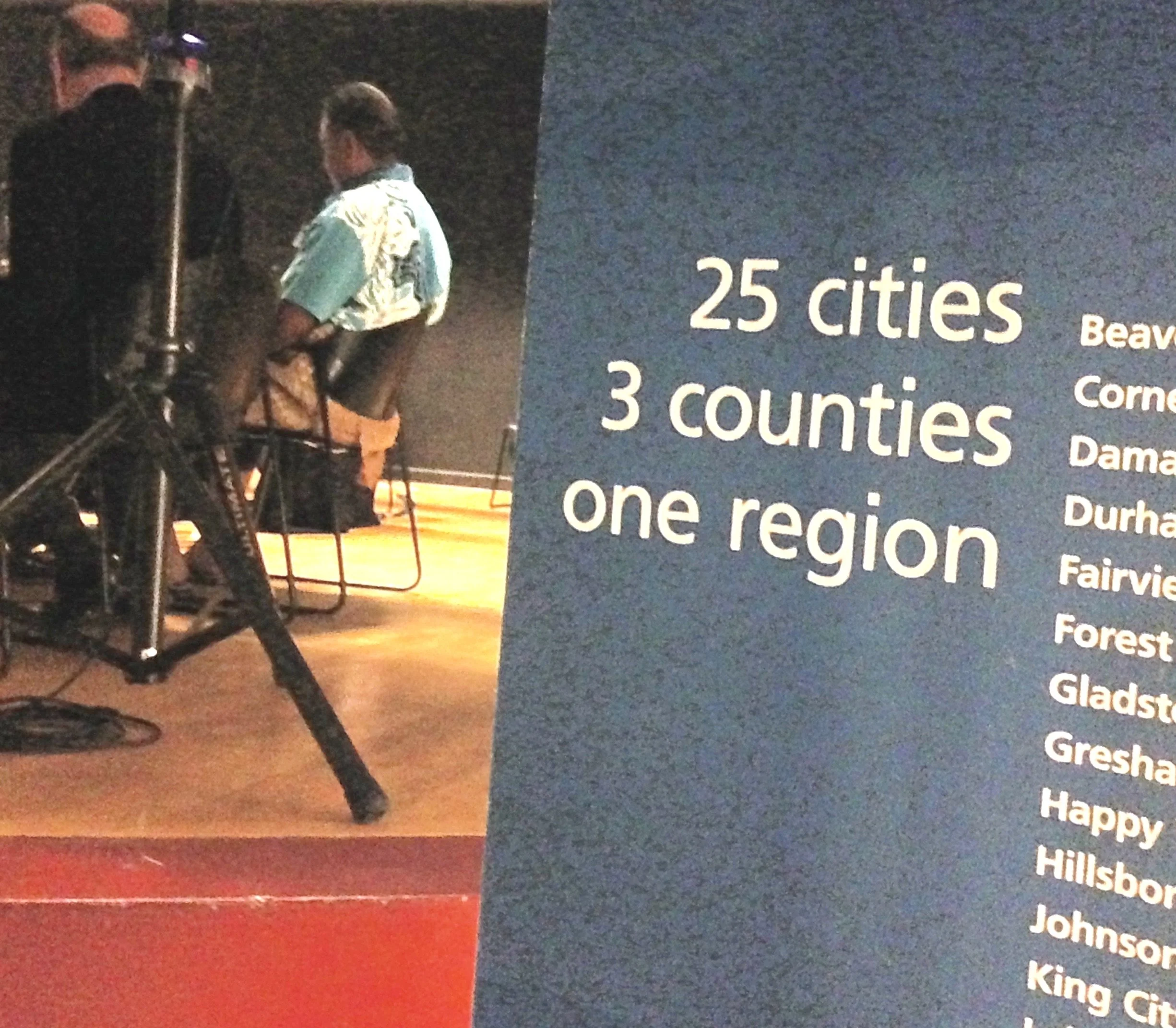
Tonga ARC Oregon’s Kolini Kuongafoou Fusitua receiving 2015 International Association of Public Participation, USA Core Values Award on behalf of seven mutual assistance associations and four government agencies.
Equity in Practice (EIP)
Equity in Practice (EIP) is a continuously adaptive practice in which our region’s goods and services providers authentically engage their service delivery recipients. By “recipients,” we mean recipient individuals and their families and their communities. Engaging means, in the flesh.
This doesn’t mean that visiting relevant websites; participating in social media streams; consulting professionals experienced with non-mainstreamed populations; and asking AI agents for best practices; are bad ideas.
What we are saying is: These kinds of resources cannot provide our educational, social service, law enforcement, or business front liners with the essential personal relationships our many segregated communities need to stay clear of integrating, by default, into systems not properly resourced to care for substantial populations of Pacific Northwesterners. Trust comes first.
Trust builds slowly and deliberately, in order to produce effective and efficient co-created goods and services.
EIP produces more equitable distributions of both the benefits and burdens of our shared cities and countrysides, We get there by practicing equity on the ground floor. Household by household. Community after community. Year in, year out.
Community-led practices, properly resourced by ID policies, will deliver all of our children a better shared future.
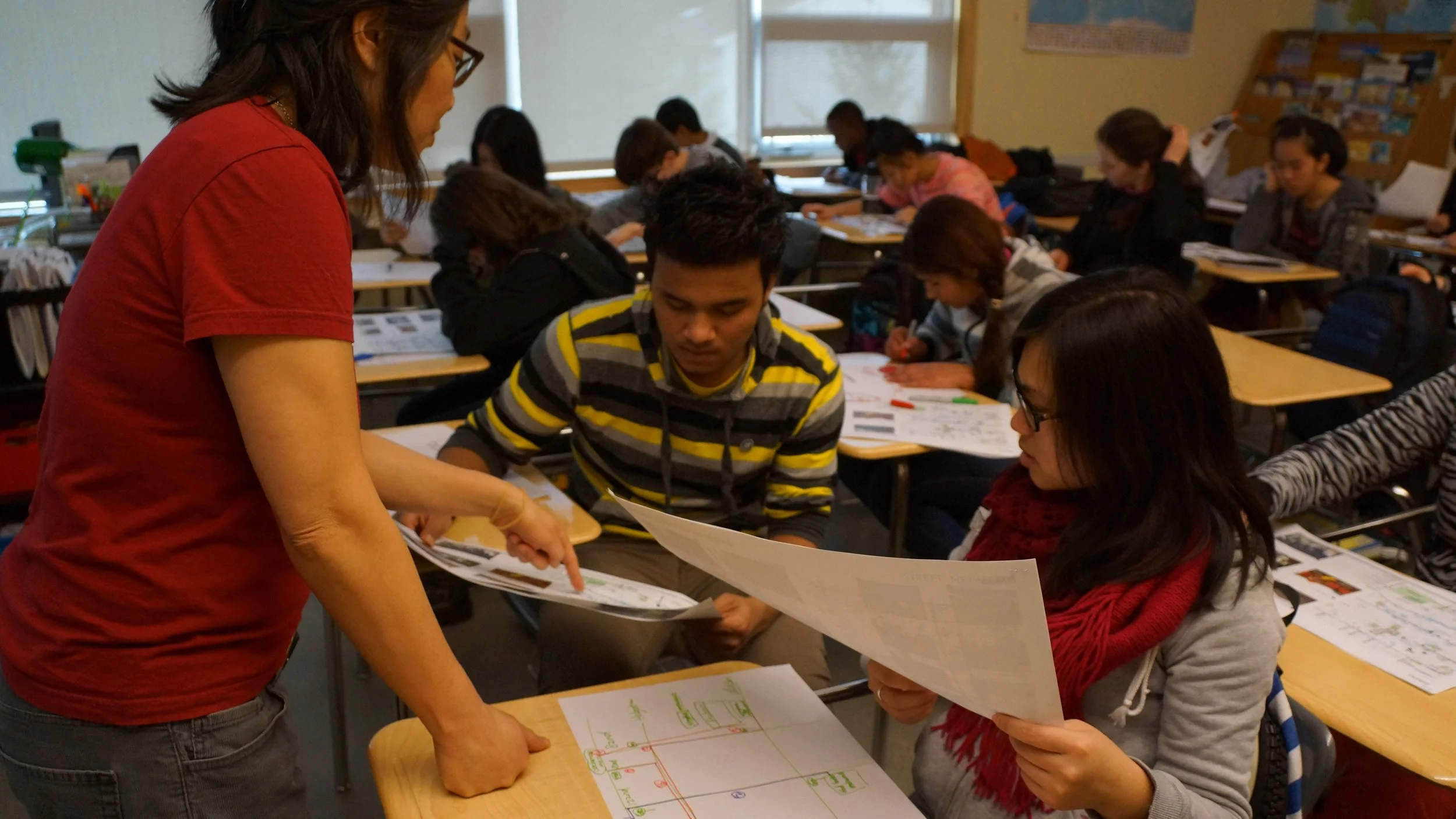
Downtown urban planner and far eastside high schoolers from 17 or our achy Earth Mother’s worst regimes, teaching and learning about partnering in making safer neighborhoods and better futures
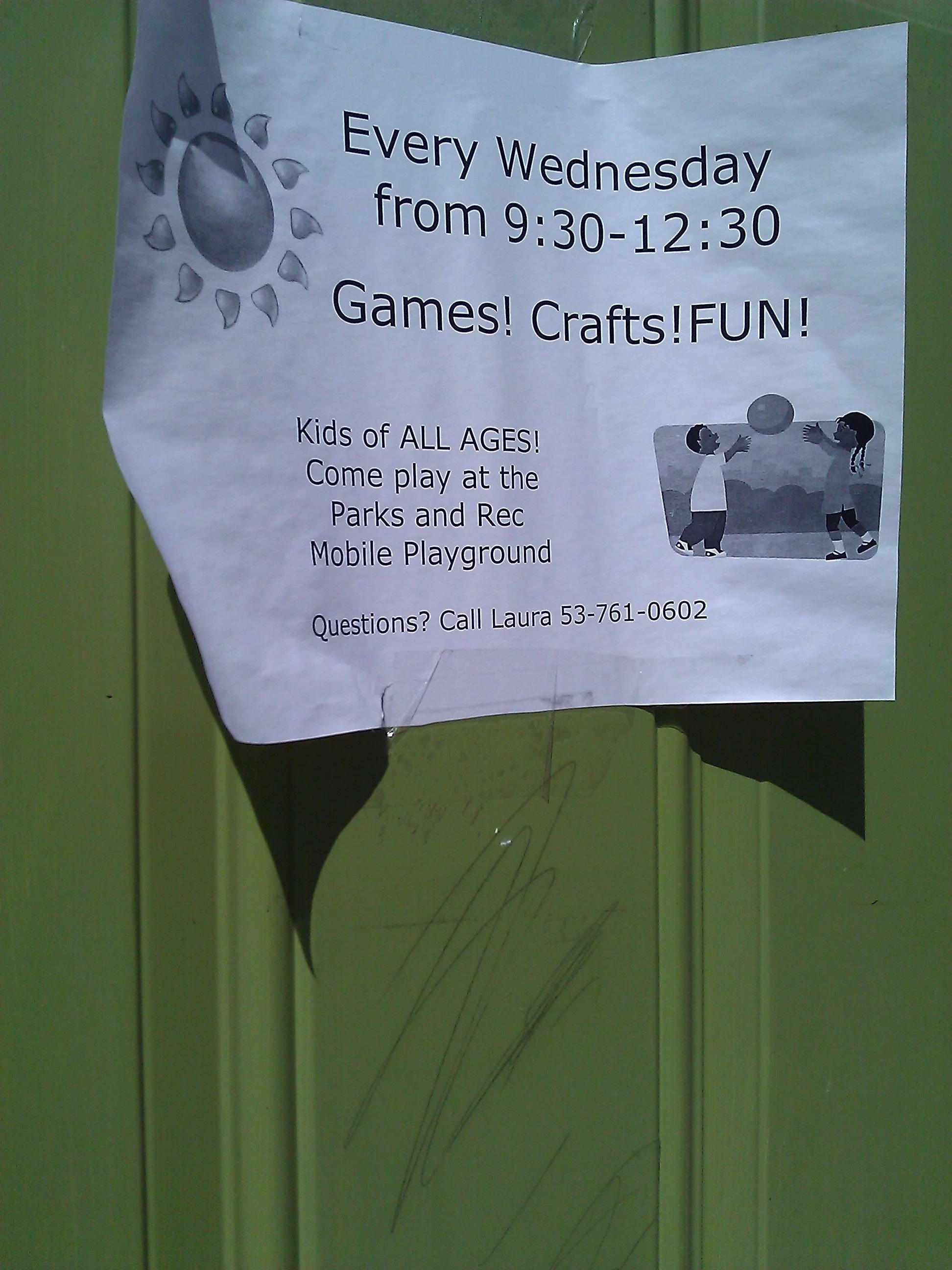
Summer Mobile Plagrounds. Latino Learning Network; Russian Speaking Network; Association of Burmese Refugees in Oregon; and Oregon Bhutanese Community Organization, hosted by the East Portland Neighborhood Organization.
Advocating for Summer Mobile Playgrounds locations and resources, and for hiring their teenagers to coach their neighborhood kids.
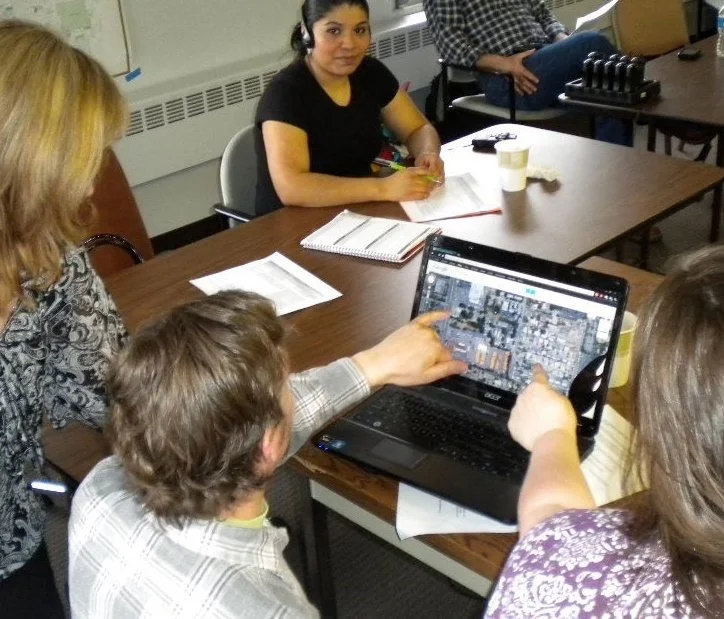
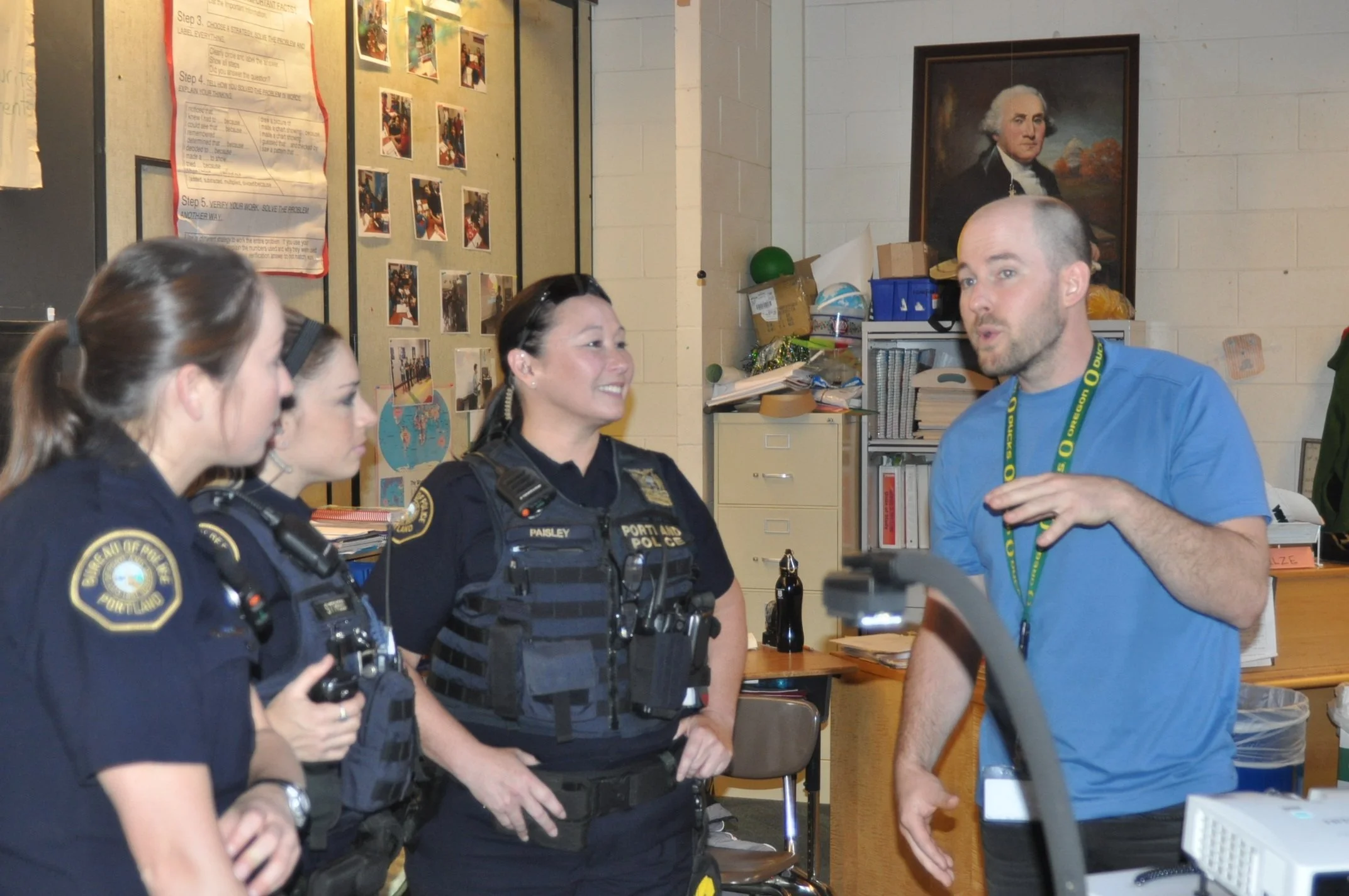
Middle schoolers learning from our city’s finest Mother and daughter police officers. Two generations of earning our communities’ respect and our affection.
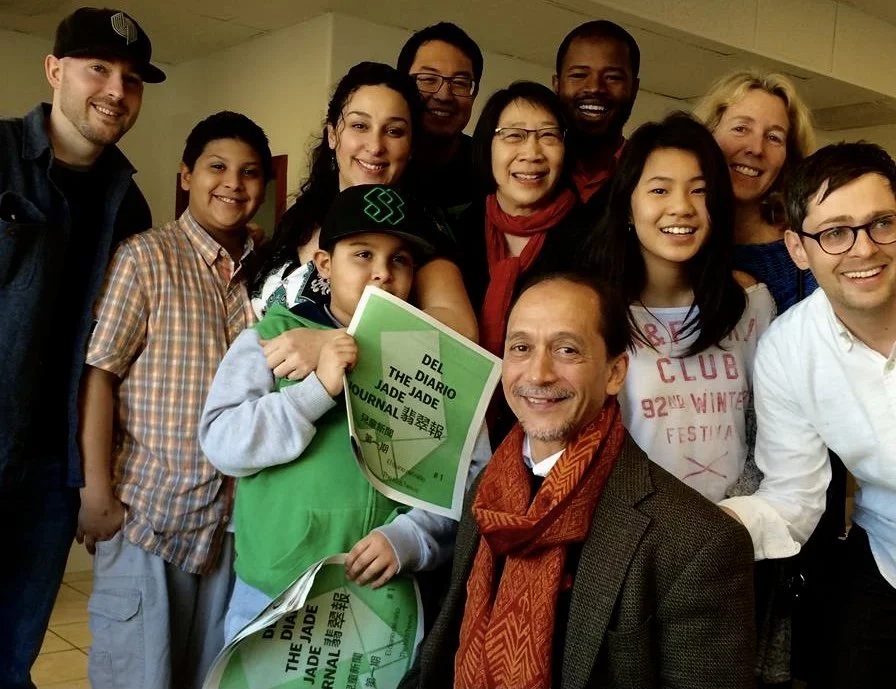
Asian Pacific American Network of Oregon’s Jade Journal
Teachers, parents, civil society activists, City Hall staffers, and their Oregon House of Representatives delegate, together building then publishing their research about our students’ walks to and from Harrison Park K-8 school. Followed by public record testimony to Portland Mayor and City Council.