INTEGRATION BY DESIGN Strategies and EQUITY IN PRACTICE Partnerships
Community elders and civic activists participating in regional policy and best-practices building
First: A Quick intro to newcomer community mutual assistance associations
Central to effective immigrant integration is understanding how resettling traditional communities rapidly organize into tried and true societal systems. Because these communal networks have sustained our populations through millennia of innumerable episodes of bad weather, bad bugs, bad neighbors, bad leaders.
In other words, those of Ibu Bumi’s (our shared Earth Mother’s) — creeping, crawling, swimming, flying, walking, children who were unable to survive so many sudden changes in their environments are no longer around. Those refugee households we see resettling in our Pacific Northwest neighborhoods are their sending countries’ most resourceful families. Are only a slim percentage of the people populating refugee hovels on three continents and several island nations in between.
During the 1970s, our federal and state governments began calling these communal organizations “mutual assistance associations.” Now we simply say MAAs.
MAAs range in formality from flexible associations led by respected elders and savvy younger activists, who daily triaging family crises management, ethnocultural preservation, economic empowerment, and civic engagement; to more formalized nonprofit agencies with social service management and staff.
MAAs are an effective prophylaxis against the often erosive effects of traumatic dislocation from a communally oriented and customs-based society. Particularly, when a family resettles into an individualistic, statutorily and commercially-structured, society.
Please note however, that neither the research supporting these statements, nor the ethos of NWCommunities Counsel, should be perceived as critiques of contemporary Western societies. The contrary is true, our newcomer communities are shamelessly ambitious about our children’s futures in America. No one I know is not in love with democracy.
However, what is important to state here is how very expensive newcomer integration is to our region’s MAAs. What we ask our policy leaders and our neighbors to daily acknowledge is the financial and the socio-emotional costs their newcomer resettlement efforts have on these traditional elders and civic activists. It’s their households that substantially carry the burdens for refugees from a world of hurt.
The causes for this effect are complex. And take more space than a single website column. But a simpler peek at our MAAs frontliners, also referred to as mekanik komuniti, can provide at least half an explanation.
Because their communities trust them, these same elder uncles and aunties and their younger savvy activists are often hired by nonprofit community based organizations (CBOs). They work there for wages well below compensation packages paid to government sector staff with equivalent responsibilities. They continue working after long 5PM. Late nights are normal. Weekends are expected. Most of those north-of-40 hours are not clocked. But that’s how our community mechanics keep their recipient families’ respect and affection.
What’s also true is that each next newcomer community needs only endure a single generation of this asymmetrical burden.
Here’s why: Since the 1964 landmark changes to United States immigration law — and on account of our almost nonstop warring on far away neighborhoods, resulting in wave after wave of refugee communities arriving here; our country has benefitted from a constant renewal of irrepressible immigrant optimism and resourcefulness. Which has of course fed our region’s increasingly rich blend of contributors to our cities and countrysides’ deepening and widening ethnocultural mix.
Historically, while several awfully racialized institutions have deeply wounded our ethnic and main streams alike— America’s fix for our raucous rub has always been our mix.
We must trust that all of us working our labor intensive participatory democracy will also deliver our children a better and better shared balance benefits and burdens.
Particularly here. Here in our abundant Pacific Northwest corner of this grand continent.
Equity in Practice Partnerships
Over NWCommunities Counsel’s 40-years of community-led law practice, our strategy has been building newcomer integration partnerships among local MAAs, CBOs, governance, civil society, faith associations, small and transnational businesses.
In our listing below, not all partners get mention. Among them, smaller MAAs included within larger ones; particular congregations we’ve included here in their respective faith associations; and many-many business.
Ethnic stream MAAs partnering with mainstream neighborhood associations (NAs) raising tides for raising all boats
Russian Speaking Network
Association of Slavic Immigrants in America
Lao American Foundation
Cambodian American Community of Oregon
Hmong American Unity of Oregon
Iu-Mien Association of Oregon
Southeast Asian Refugee Federation
Vietnamese Associates Confederation, State of Oregon
Oregon Bhutanese Community Organization
Zomi Oregon, USA
Associations of Burma Refugees in Oregon
Oregon Karen Association
Iraqi Society of Oregon
Latino Learning Community
Masjid Noor
Community based organizations (CBOs) partnering with MAAs
Immigrant and Refugee Community of Oregon (IRCO)
IRCO Africa House
IRCO Pacific Islander and Asian Family Center
IRCO Slavic and Eastern European Center
IRCO Greater Middle East Center
Latino Network
Oregon Comm for Hispanic Affairs
Center for Intercultural Organizing
Muslim Educational Trust Catholic Charities of Oregon
Local schools and regional governments partnering with MAAs
David Douglas High School
Roosevelt High School
Oregon Islamic Academy
George Middle School
Harrison Park Middle School
Sunnyside Environmental School
Alice Ott Middle School
Ron Russell Middle School
Portland State University
Office of Mayor of Portland
Portland Parks and Recreation
Portland Bureau of Environmental Services
Portland Office of Neighborhood Involvement
Portland Police Bureau
Bureau of Transportation
Portland Fire and Rescue
Portland Water Bureau
Portland Office of Equity and Human Rights
Portland Disabilities Commission
New Portlander Policy Commission
Portland Bureau of Planning and Sustainability
Portland Housing Bureau
City of Portland Budget Office
Office of the Mayor of Gresham
Gresham Police Department
Somali American Council of Oregon
Oregon Liberian Association
Togo Community of Oregon
Samoa Pacific Development Corporation
Tongan American Resource Center of Oregon
Chuuk Community of Oregon
Society for Haitian Arts, Culture, and Social Services
East Portland Action Plan
East Portland Neighborhood Organization
Powellhurst-Gilbert Neighborhood Association
Hazelwood Neighborhood Association
East Central Neighbors
Multnomah Arts Center
Centennial Community Organization
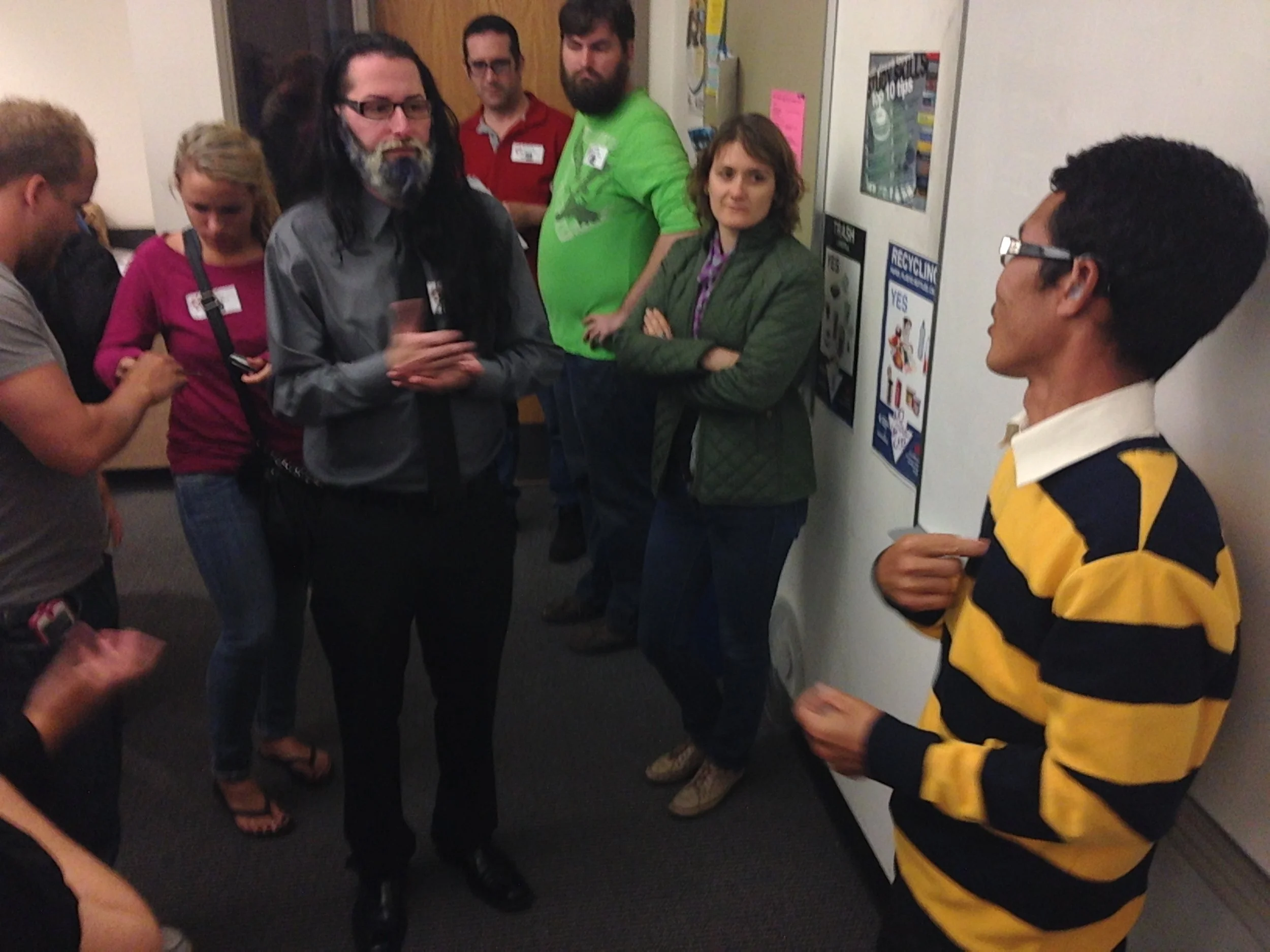
City of Portland Disabilities Commission meeting, civic activists working their way through a misunderstanding between commissioners fluent in American Sign Language and Nepali language signers. Our fix is always in our mix.
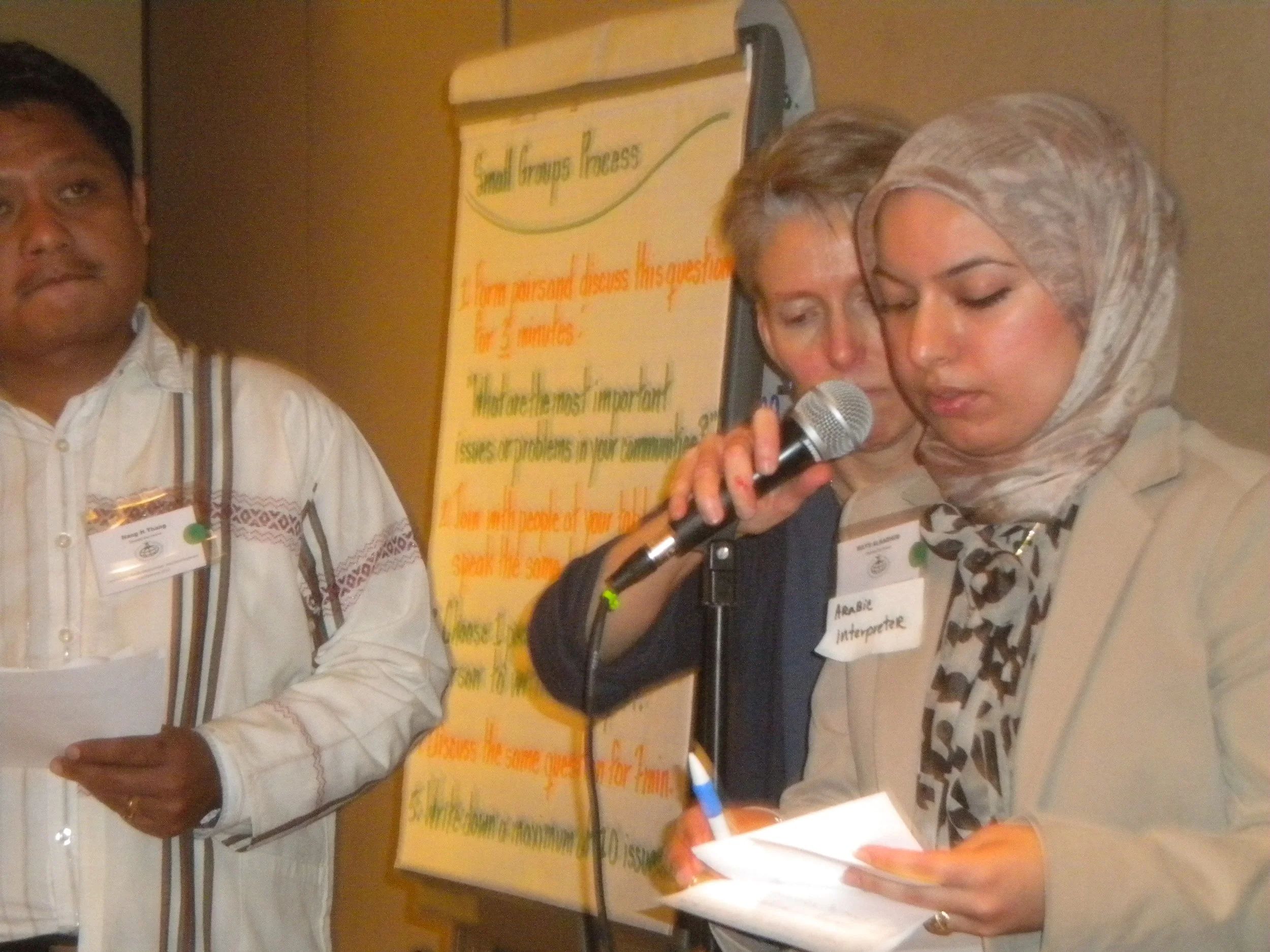
At an annual IRCO community needs assessment, a much beloved Multnomah County Health Department frontliner working with Iraqi and Zomi Portlanders to articulate their families’ most chronic urgencies.
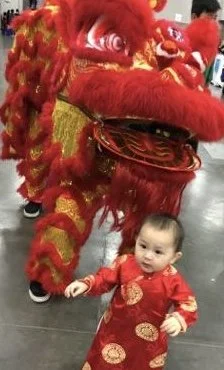
Thach Van Nguyen’s (Nguyễn Văn Thạch) grandson getting out of the way of an exuberant Lunar New Year dragon at Ngọc Sơn Buddhist Temple.
His grandpa gave and gave and gave his love, money, and time to integrating Southeast Asians; Pacific and Caribbean Islanders; Africans and African Americans; peoples of former soviet republics; Spanish-speaking families from all over our hemisphere; into the robust life of our metro area. He did this, in both muscular and elegant ways. For over 40 years. Asian Pacific American Network of Oregon (APANO) is one of Mr. Thach’s many-many contributions to participatory democracy.
Surely, his sweet grandbaby will likewise lead instead of flee dragons. Maybe not just now.
Ecumenical Ministries of Oregon
Lutheran Community Services Northwest
Asian Pacific American Network of Oregon
Asian Pacific American Chamber of Commerce
Colored Pencils Art & Culture Council
Rose Community Development Corporation
Rosewood Initiative
Community Alliance of Tenants
Portland Elders in Action
Office of the Mayor of Tigard
Office of the Mayor of Hillsboro
Multnomah County Health Department
Multnomah County Libraries
Multnomah County Office of Citizen Engagement
Multnomah County Sheriff
Washington County Sheriff
Washington County District Attorney
Multnomah County Circuit Court Judge Edward Jones, as chair of Oregon Supreme Court Access to Justice Council’s Judicial Education Committee
TriMet Transportation District
Beaverton Police Department
Office of the Mayor of Tigard
Office of the Mayor of Hillsboro
Multnomah County Health Department
Multnomah County Libraries
Multnomah County Office of Citizen Engagement
Multnomah County Sheriff
Washington County Sheriff
Washington County District Attorney
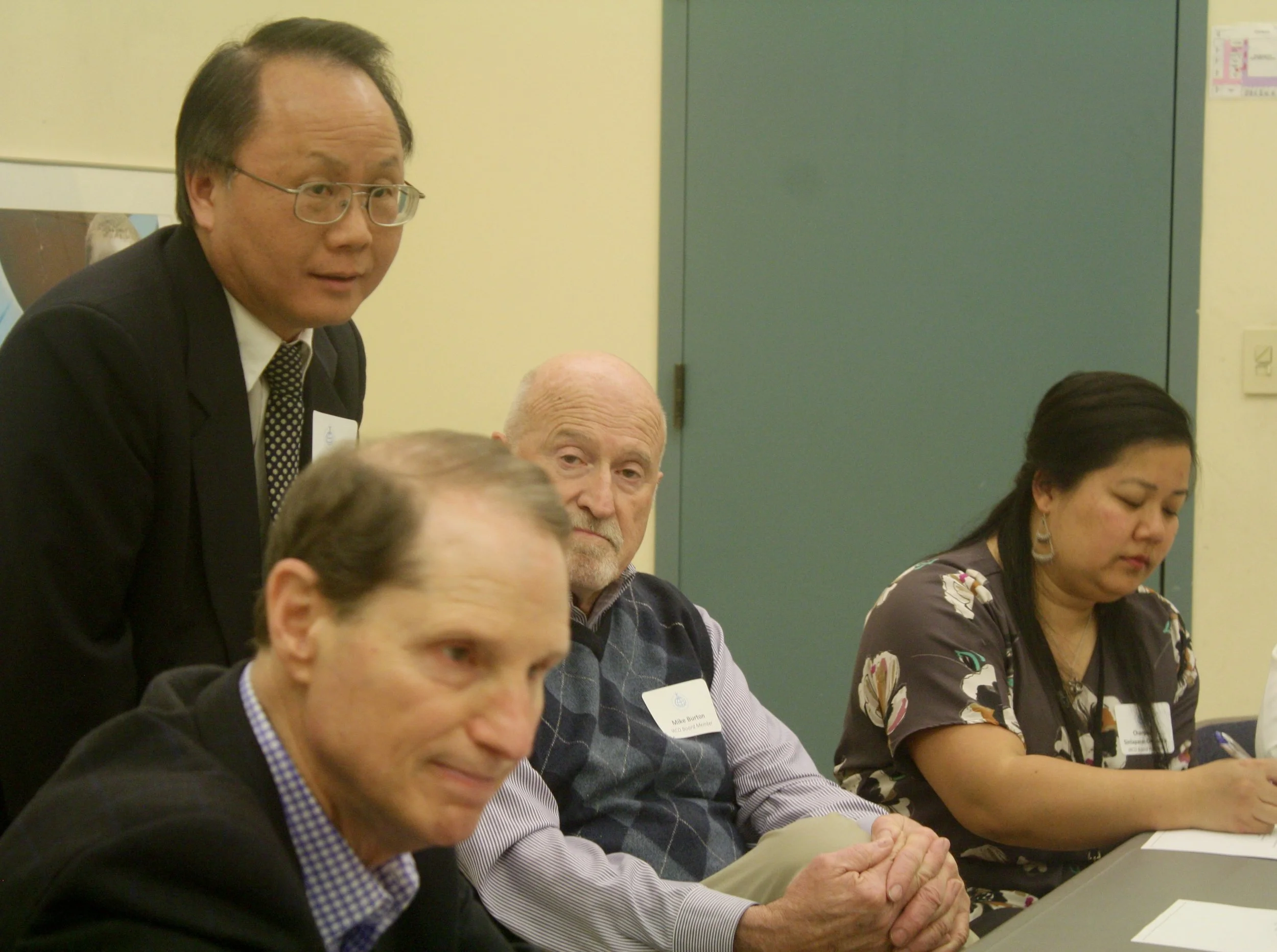
Our tried and truest voices for newcomer integration US Sen. Ron L. Wyden. Former VP of Hmong American Unity and current exec director of IRCO, Lee Po Cha. Former USAF Colonel, former member of the Oregon House of Representatives, and current board chair of Legacy of War Foundation, Michael L. Burton. Multnomah County Circuit Court Judge Chanpone P. Sinlapasai; 20 years of caring for our region’s newcomer communities in our neighborhoods, in federal and state and civil society venues.
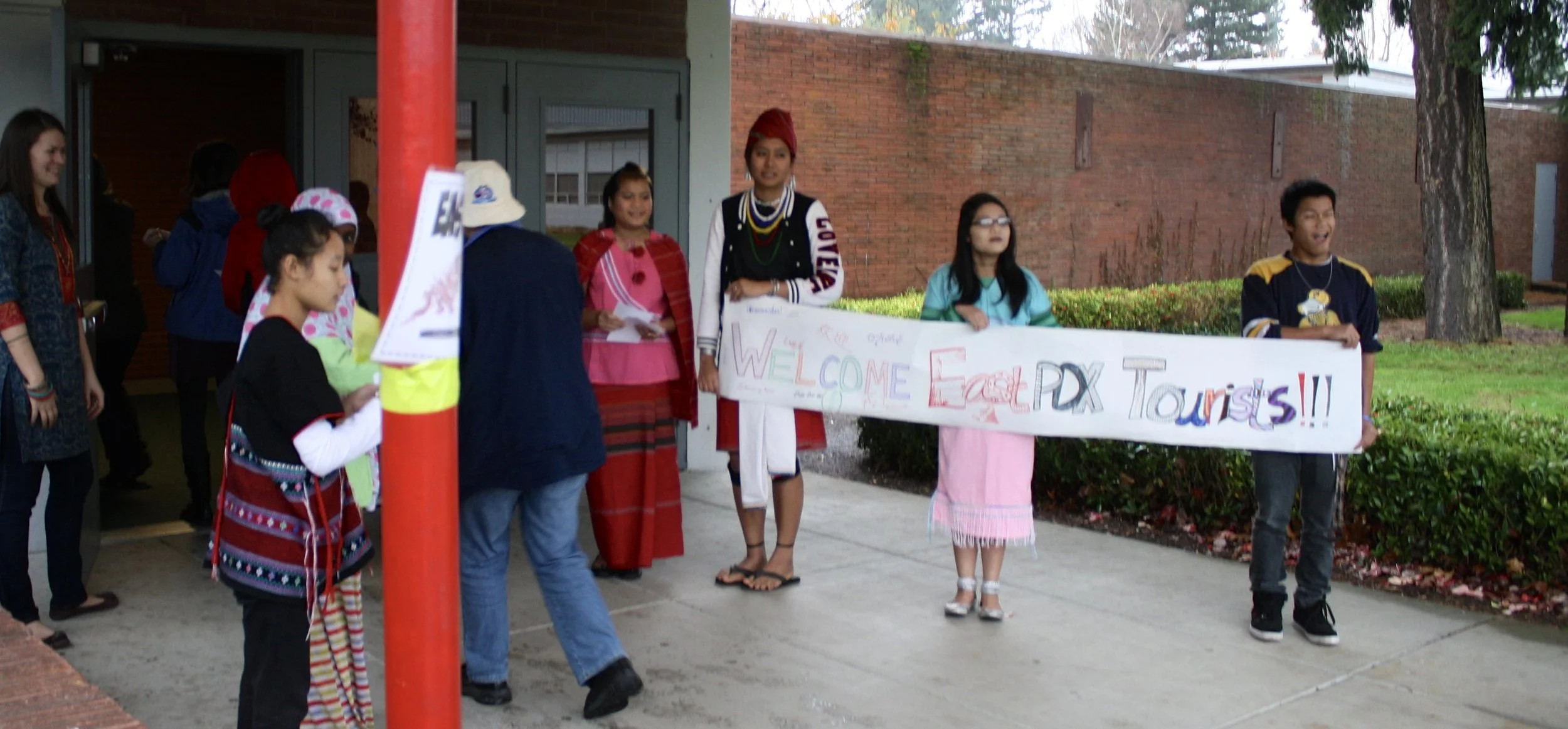
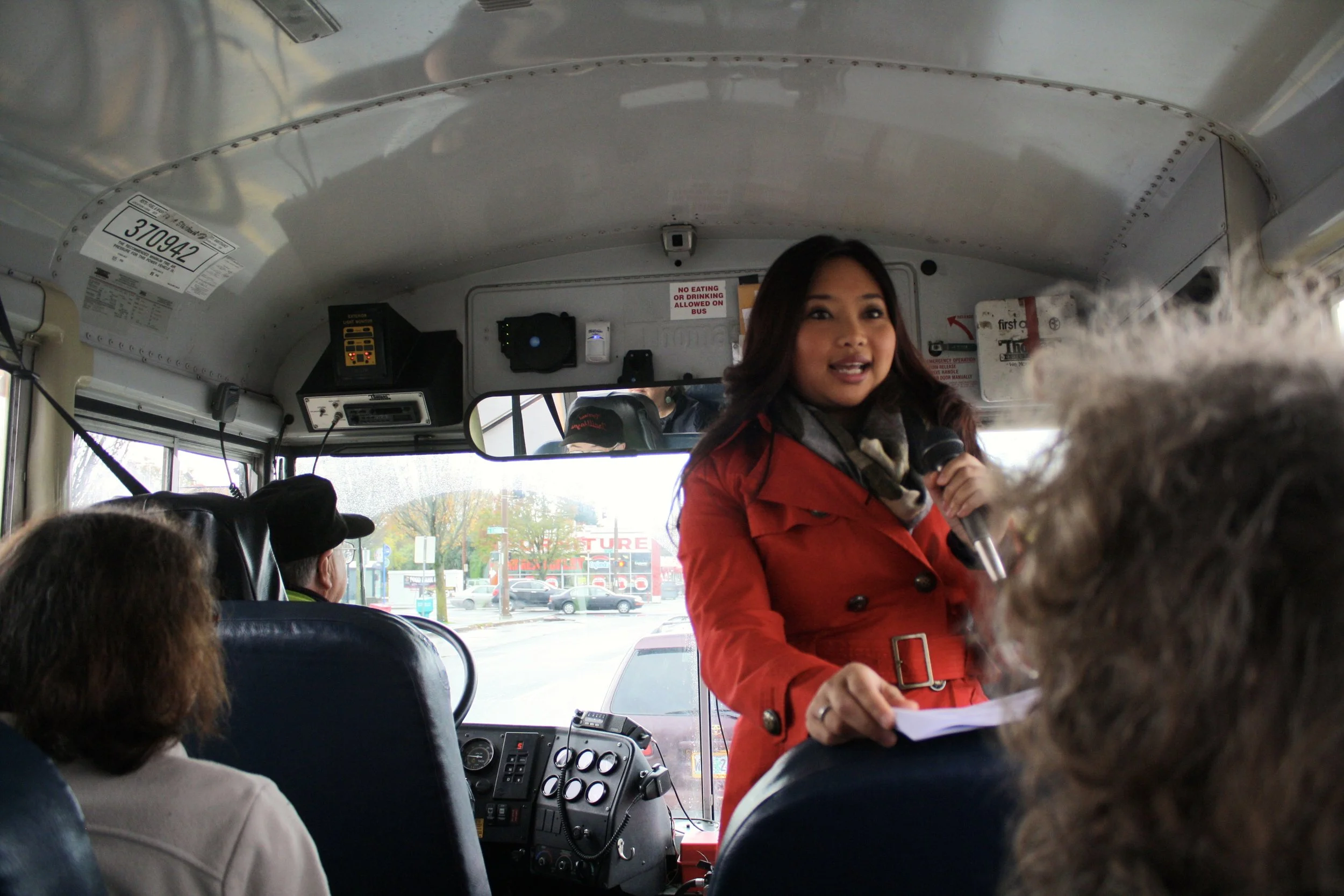
Kathy Wai, Oregon Myanmar civic activist and North Clackamas School board leading downtown policy and business leaders on East Portland tour.
David Douglas High School students banner reads “Welcome East PDX Tourists.”
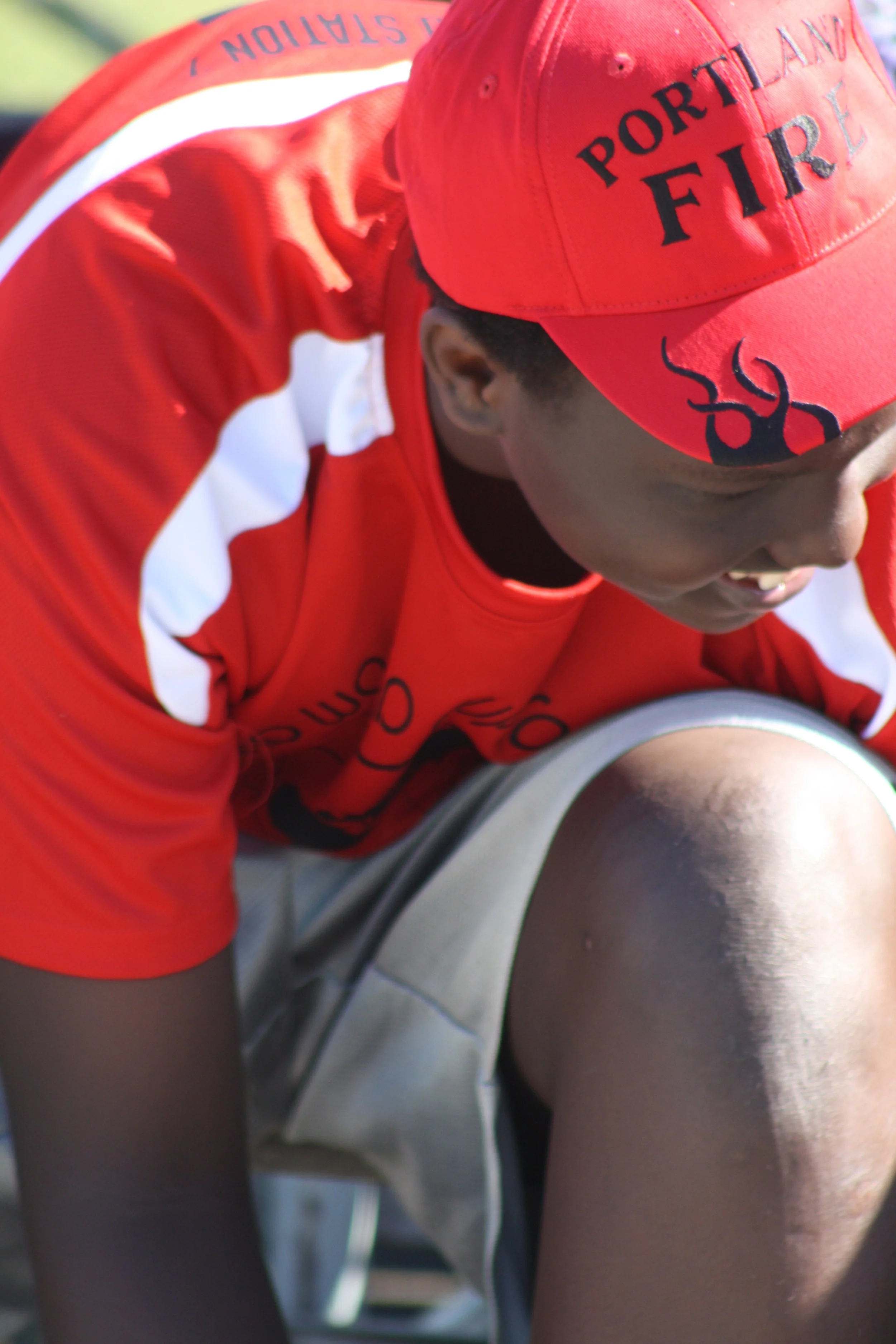
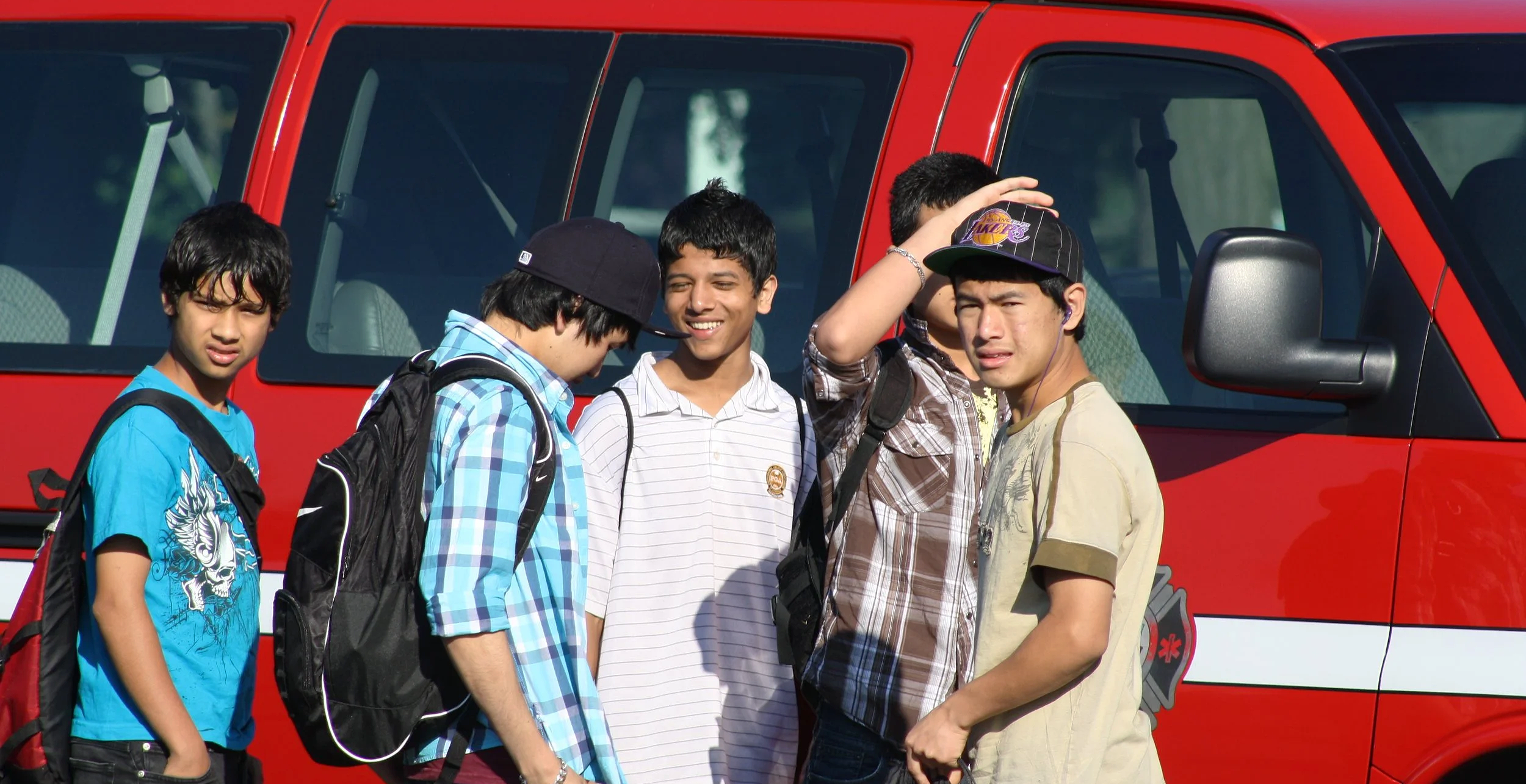
Sure, Portland Fire & Rescue’s heavy-lifters were our boys and girls toughest trainers and most demanding coaches. And yes, our newcomer families were moved by PF&R’s chief inviting our daughters and granddaughters to weekend workshops to try out and think about firefighting careers — but most inspiring were those fire engine red soccer uniforms and flaming caps they used to get our kids on-side.
All three kinds of trust-building relationships work each and every next time.